Marketing and brands
From Mass Market to Premium: Why Global Brands Are Rethinking Their Pricing and Positioning Strategies

Not long ago, the growth of global brands was built on volume: more stores, more product lines, more customers in the mass segment. Today a growing number of companies, from consumer goods makers to carmakers and electronics brands, are taking the opposite path. They are cutting cheap lines, raising prices and investing in perceived value. The process is called premiumisation, and it is changing the very logic of competition.
Why the Mass Market Is Losing Its Appeal
Several factors are making the mass segment less profitable at once. Inflation in 2021–2023 drove up the cost of raw materials, logistics and labour, and in cheap categories those costs are the hardest to pass on to buyers. At the same time, demand has polarised: affluent consumers keep spending on quality and experiences, while budget-constrained shoppers move to discounters and retailers’ private labels. The middle segment is shrinking, and brands have to pick a side.
Premium positioning gives companies several advantages at once:
- Margins. Premium products earn higher gross profit per unit and depend less on price wars.
- Resilient demand. Affluent buyers are less sensitive to economic swings.
- Brand strength. A premium image protects against direct comparison with cheaper alternatives.
- Channel control. Direct-to-consumer (DTC) sales let brands manage price and customer experience without intermediaries.
New Pricing Principles
Moving upmarket requires rethinking how prices are set. Instead of cost-plus pricing, companies increasingly use value-based pricing, where the price reflects what the buyer is willing to pay for quality, design, service and status. At the same time, promotions are being cut back: constant discounts teach customers to wait for sales and erode the brand’s image.
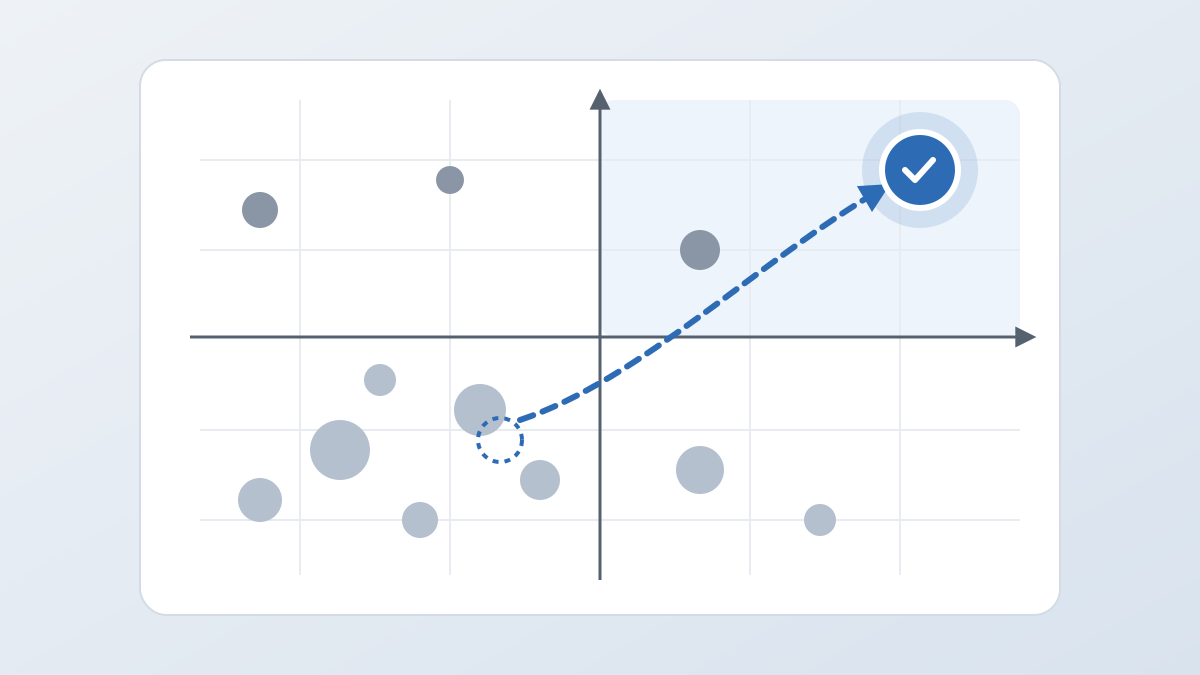
Another tool is the good-better-best architecture. The entry version of a product serves as the gateway to the brand, while most of the profit comes from higher tiers with richer features, better materials and personal service. This ladder lets a brand keep a broad audience while gradually moving customers up the price scale.
The Risks of Premiumisation
The strategy guarantees nothing. A sharp price increase without a real rise in value comes across as greed and damages loyalty. A brand risks losing the mass audience that gave it recognition and production scale, and competitors quickly fill the vacated niche. In addition, the premium segment demands flawless quality and service: every mistake costs more because customer expectations are higher.
“Premium is not a price tag but a promise. If a company raises its price without changing the product, the experience and the communication, the market notices very quickly.”
How Brands Balance Across Segments
The most resilient companies do not abandon the mass market entirely. Instead they build a brand portfolio with clearly separated roles: the affordable brand delivers reach, the premium one delivers margin and image. Transparent positioning becomes essential, because buyers must understand exactly what they are paying more for.
At a time when consumer trust in brands is declining, honest communication of value proves as important as the product itself. The winners are those who back a high price with real advantages rather than marketing promises alone.