Economy and trade
Bringing Production Closer to Key Markets: How Friend-Shoring and Nearshoring Are Changing Global Supply Chains
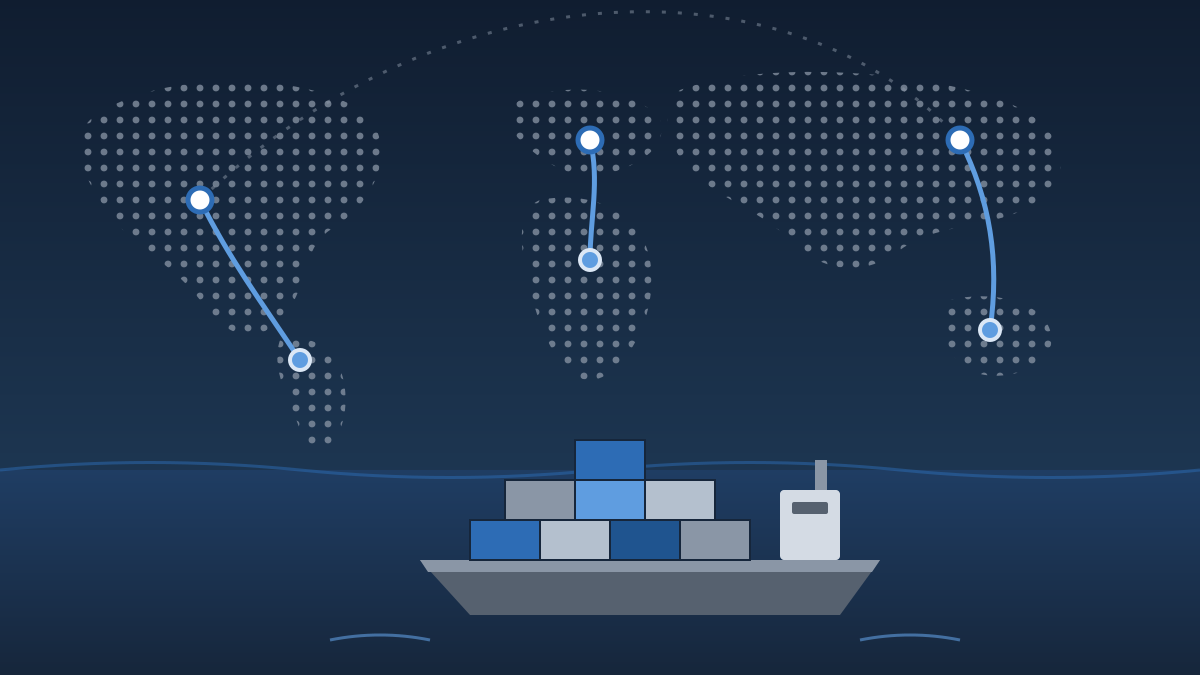
Globalisation over recent decades was built on a simple logic: make things where it is cheapest and ship them to where people buy. The COVID-19 pandemic, the blockage of the Suez Canal in 2021, rising geopolitical tension and trade restrictions revealed the cost of that model. Today companies are increasingly moving production closer to their key end markets (nearshoring) or to partner countries with predictable policies (friend-shoring).
What the Terms Mean
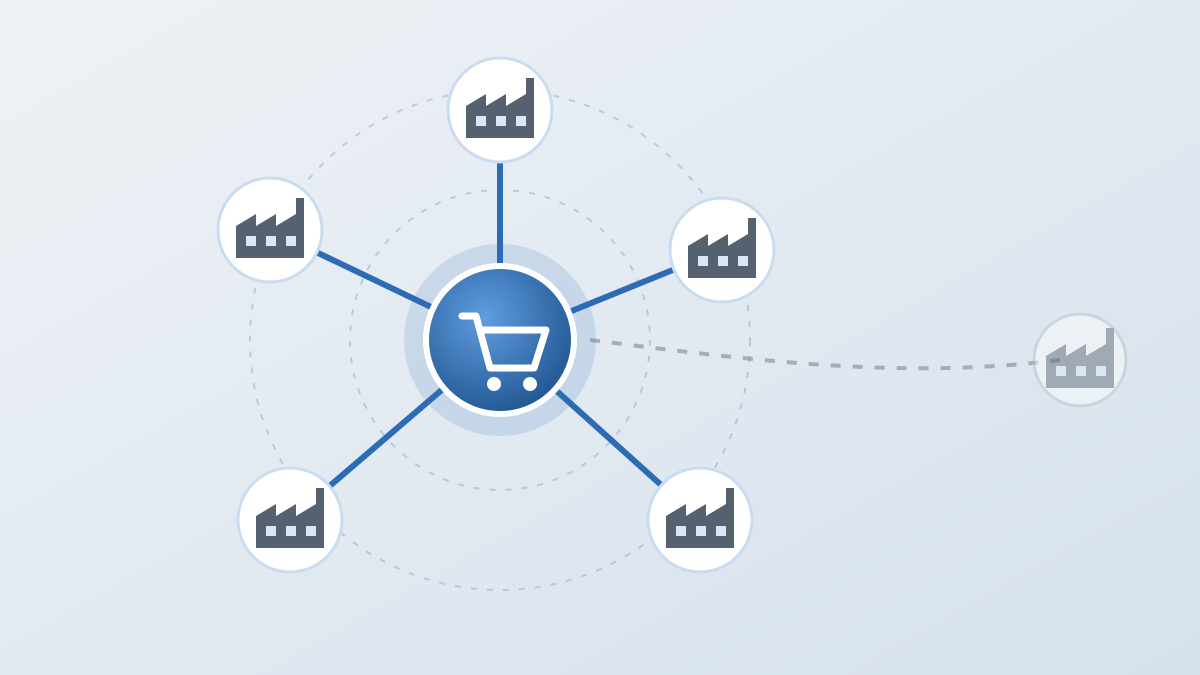
Nearshoring means relocating production capacity to geographically close countries: for US companies that is above all Mexico, for European ones Central and Eastern Europe, Turkey and North Africa. Friend-shoring emphasises political compatibility rather than distance: supply chains are built between countries with shared values and stable trade relations. The term became widely used in 2022, when US Treasury Secretary Janet Yellen actively promoted it.
Why Companies Are Changing Their Geography
- Resilience over the lowest price. Short supply chains reduce the risk of production stoppages caused by logistics disruptions.
- Speed to market. Proximity cuts delivery times from weeks to days and reduces inventory.
- Government support. The CHIPS and Science Act and the Inflation Reduction Act (IRA) in the US, along with the European Chips Act, encourage local production of semiconductors, batteries and green technologies.
- Environmental requirements. Shorter transport routes help reduce the carbon footprint, which matters especially given the EU Carbon Border Adjustment Mechanism (CBAM).
The New Manufacturing Map
The change is already visible in the statistics. In 2023 Mexico overtook China to become the largest trading partner of the United States by goods trade, and foreign investment in Mexican industry grew markedly. Vietnam, India and Malaysia are benefiting from the “China plus one” strategy, under which companies keep a presence in China but diversify production. In Europe, Poland, Czechia, Hungary, Romania and Portugal are attracting new plants.
The shift is especially visible in strategic industries such as microelectronics, battery manufacturing, pharmaceuticals and defence. Here governments directly subsidise localisation, treating control over production as a matter of national security.
Limits and the Cost of Change
Relocating production is expensive and slow. Companies face shortages of skilled workers, strain on energy and transport infrastructure, and higher wages. Supplier ecosystems that took decades to form cannot be fully replaced in a few years, so most corporations choose a hybrid model: several production sites in different regions instead of a single “factory of the world”.
“The efficiency of a supply chain is now measured not only by the cost per unit, but by how quickly the business recovers after a disruption.”
What It Means for Business
Companies are entering an era of a new balance between cost and reliability. The winners are countries that can offer infrastructure, talent and transparent rules, and businesses that diversify their supply in advance gain a competitive edge in a world where uncertainty has become the norm.